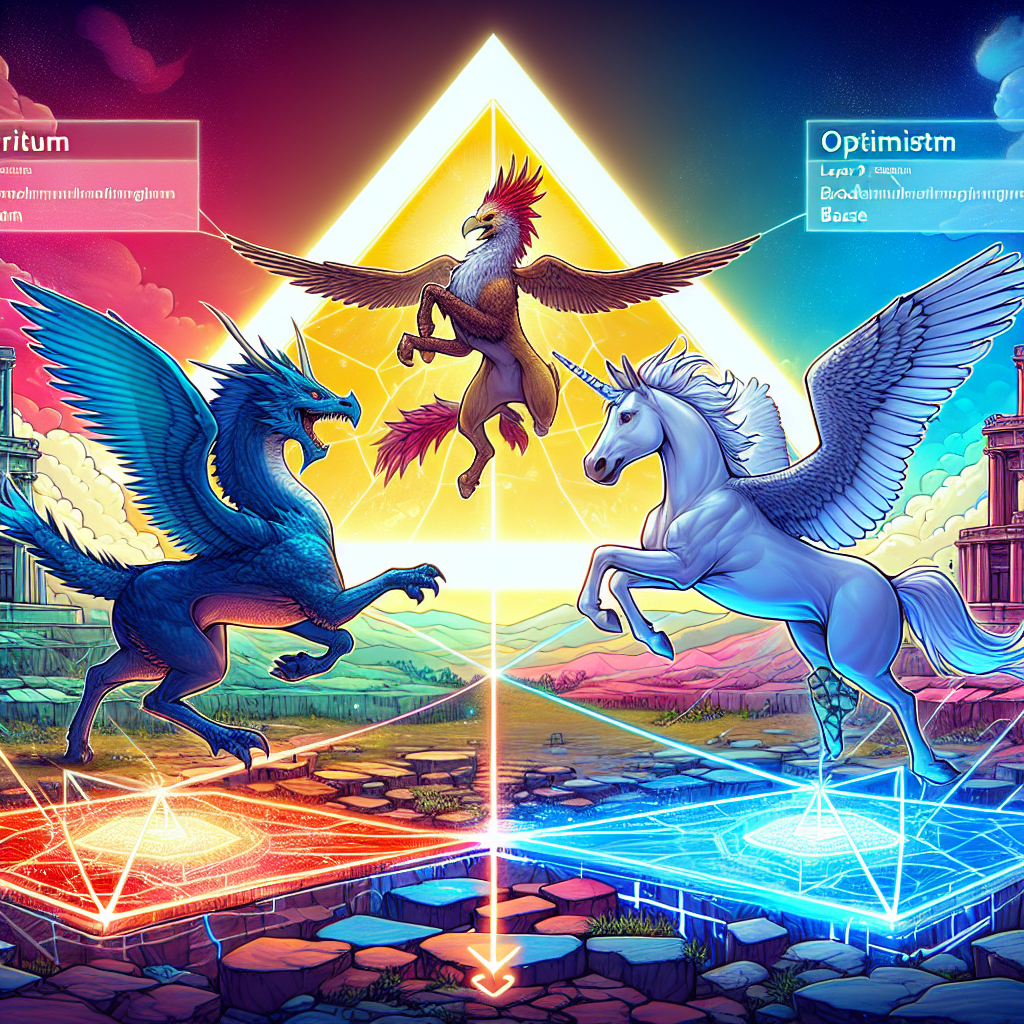
Layer-2-duellen: Arbitrum vs. Optimism vs. Base
Picture this: you’re at a bustling crypto café, sipping your coffee, and someone throws out the big Layer-2 question—Arbitrum, Optimism, or Base? The room goes quiet. Everyone’s curious, a little opinionated, maybe even a touch confused. It’s not just tech talk anymore. These networks are shaping how we use Ethereum, and it’s getting personal. It’s less about obscure blockchain jargon and more about real people choosing their digital hangouts. Whether you’re a DeFi power user or just dipping a toe into Web3, understanding these Layer-2s is becoming as essential as knowing your favorite coffee order. So, let’s break down the choices—and why they matter.
Arbitrum: The Early Bird with Swagger
Arbitrum showed up early and grabbed the spotlight. It’s kind of like the first friend to get a driver’s license—everyone wanted a ride. With its rollup tech (think of it as packing tons of transactions into a single, neat suitcase), Arbitrum keeps fees low and speeds high. And let’s be real: nobody likes waiting for transactions or burning ETH on gas. The network’s mainnet went live back in 2021, giving developers a head start to deploy dApps and foster a thriving community. Thanks to this head start, it’s become a go-to for users fleeing high Ethereum gas fees.
What makes Arbitrum stand out? Well, it’s battle-tested. You’ll find loads of DeFi dApps already hanging out here—Uniswap, GMX, and even smaller projects trying to make a name for themselves. The community is vibrant, sometimes a bit rowdy on X (formerly Twitter), but always passionate. The network processes millions of transactions per week, and big liquidity pools mean less slippage for traders. Plus, the Nitro upgrade has brought even smoother performance and lower fees. Devs love how easy it is to port Ethereum contracts over with minimal changes, so new tools and protocols are launching all the time.
Still, some folks grumble about Arbitrum’s governance model. The DAO drama? Yeah, it happens. But if you’re after stability and a bustling ecosystem, Arbitrum’s hard to ignore. There have been spirited debates over treasury management and proposal transparency, but the upside is a community that’s deeply involved in shaping the platform’s future. And with regular airdrops and incentive programs, there’s always something new to draw users in and keep them coming back for more.
Optimism: The Idealist with a Plan
Optimism isn’t just a catchy name. It wants to be more than just a faster, cheaper Ethereum. The team’s big on “public goods funding”—basically, making sure the network helps everyone, not just the whales. It’s almost utopian, but there’s real money behind that sentiment. Optimism has distributed millions in retroactive public goods grants to dApps, developers, and community projects, championing the idea that successful networks should reinvest in their own ecosystems. You’ll see experiments with quadratic funding and direct support for open-source initiatives.
Tech-wise, Optimism uses a similar rollup approach as Arbitrum. Transactions get squished together, checked for correctness, and then written back to Ethereum. But Optimism is betting big on its “Superchain” vision—a future where lots of connected chains share security and liquidity. A bit ambitious? Maybe. But you have to admire the guts. The Superchain aims to let projects spin up their own chains while seamlessly bridging assets and users, creating a massive, interlinked Layer-2 universe. This could mean more composability and less fragmentation for the whole Ethereum ecosystem.
You’ll see household names here, too: Synthetix, Velodrome, Coinbase Wallet—lots of activity. And with the OP token, users get a say in how things run. Sometimes, though, the network feels a bit like a social experiment. Whether that’s good or bad? Depends on your style. The governance process is open, and new proposals get regular community feedback. There are even “missions” where OP holders help allocate funding or test new features, so if you like being hands-on, Optimism is the place to be.
Base: The New Kid Backed by a Giant
Base is the fresh face on the block, but don’t let that fool you. Backed by Coinbase (yes, that Coinbase), Base exploded onto the scene with a ton of hype and a truckload of users. People trust Coinbase, so they gave Base a shot—simple as that. The onboarding process is streamlined: you can move assets from your Coinbase account to Base in just a few clicks, making it super accessible even for crypto newcomers. Base cuts out a lot of the friction that scares off first-timers.
It runs on the OP Stack, essentially using Optimism’s tech under the hood. That means you get similar performance, but with a twist: deeper integration with Coinbase products. So if you’re already using Coinbase, moving over to Base feels like a natural next step. No crazy learning curve. Expect features like direct fiat on-ramps, built-in wallet support, and easy access to Coinbase’s customer service, which is a big plus in a space notorious for confusing UX and lack of support.
Base hasn’t been around as long, so its ecosystem is still growing. But the pace? Lightning-fast. NFTs, DeFi, even onchain memes are cropping up everywhere. And with Coinbase’s muscle, you can bet Base isn’t going anywhere soon. Recent months saw surges in NFT minting activity, meme coin launches, and cross-promotion with Coinbase Earn programs. Projects like Friend.tech and Aerodrome have already attracted huge user bases, and the Base team is rolling out regular hackathons and developer grants to keep the momentum going.
So, Which Lane’s Yours?
Choosing between these three isn’t just about speed or fees. It’s a bit like picking your favorite team—there’s loyalty, personality, maybe even a little nostalgia involved. Here’s a quick gut-check:
- Arbitrum: Go here if you want a tried-and-true workhorse with loads of projects already in action. It’s great for active DeFi traders, NFT collectors, and anyone who wants to dive into a mature, liquid ecosystem.
- Optimism: Perfect for folks who love big ideas and want to feel part of a movement, not just a network. If you want your DeFi adventures to double as social impact, this is your vibe.
- Base: If you value simplicity, trust Coinbase, or just want a smoother onboarding, Base is calling your name. It’s also ideal if you’re newer to crypto or want to stick close to established players.
Let’s be honest, though—the lines blur fast. You can bridge assets between these networks in minutes using tools like Hop, Orbiter, or Across. Most serious DeFi users end up juggling assets on all three. It’s a bit chaotic, sometimes frustrating, always exciting. Cross-chain farming, NFT airdrops, and governance votes happen all at once, so don’t be surprised if your wallet feels like a Layer-2 passport. The real trick? Stay nimble, do your research, and don’t be afraid to experiment with small amounts before you dive in deep.
Seasonal Vibes and the Road Ahead
This summer, Layer-2 buzz is everywhere. NFT launches on Base, DeFi drama on Arbitrum, governance debates on Optimism—there’s never a dull moment. It feels like the early days of the internet, but with more memes and fewer dial-up modems. Developers are shipping updates at breakneck speed, and every week brings a new project, protocol, or meme coin to try out. Communities are organizing real-life meetups, Twitter Spaces, and hackathons, making it feel like a genuine movement.
Staying current? Follow developers on X, jump into Discord channels, or just tinker with small amounts to get a feel for each network’s quirks. Pick up a POAP, mint a meme coin, vote in a DAO—see what sticks. The Layer-2 scene is wild, sometimes unpredictable, but always moving forward. Don’t be afraid to ask questions or lurk in Telegram groups; the best way to learn is often by doing. No matter which lane you pick, remember: in crypto, the only constant is change—and that’s half the fun.